Listening to the Ocean
UNDERSTANDING THE CLIMATE
An Art-Based Participatory Research with Youth
The project
Listening to the Ocean, Understanding the Climate is an art-based participatory action-research project focussing on how young people engage in the discovery of climate issues related to the ocean. By weaving together ocean literacy and artistic creation, the project aims at supporting adolescents in exploring the ocean’s central role in the climate system through various lenses: scientific, political, emotional, cultural, and creative.
At the heart of the project is metal music, a may be unexpected but deliberate choice. Metal’s critical energy, sonic intensity, and experimental dimensions offer a powerful pedagogical medium to foster reflection, emotional processing, civic engagement and collective expression around environmental issues. Moreover, at a time of rising eco-anxiety, the project is grounded in Paulo Freire’s concept of critical hope, aiming not only to inform but to empower.
Bringing together researchers, artists, and teachers from different countries to deepen understanding of ocean-climate relations, this project aims at building an international laboratory to test new forms of collaboration, to challenge disciplinary boundaries, and to treat education as a creative and political act.
Pascale Haag
EHESS, Centre Georg Simmel, researcher in psychology and founder of Paris Lab School
Corentin Charbonnier
CITERES, Orleans university, associate professor management sciences, anthropology and artist – musician and photographer
RusselL arnott
Marine scientist, science communicator, and director of Incredible Oceans CIC
Thierry Varion
Director of a music school, conductor, and percussionist
Metal & Ocean
A participatory research grounded in metal music
Across musical traditions, politically and socially engaged music plays a central role in shaping identities, and supporting collective mobilization (Street, 2012; Collinson, 2022).
Situating metal culture within this lineage, while focusing on a genre still marginal in educational and research contexts, offers an original framework for articulating artistic creation and environmental education. Metal music occupies a distinctive position in contemporary culture, characterized by cathartic intensity, critical narratives, and an ethos of resistance.
It ‘makes use of its harsh lyrics, sounds and visual imagery to express critical concerns about human behaviour and decision making and anxieties about the future’ (Wiebe-Taylor, 2009).
Bands such as as Gojira, Architects, Heaven Shall Burn illustrate how metal can express ecological concerns and denounce environmental destruction to promote collective responsibility.
These practices are pedagogically meaningful and demonstrate the genre’s capacity to render ecological urgency emotionally salient. Although art-based research involving metal music remains limited, existing literature highlights its educational potential.
Metal’s narrative worlds, allegorical lyrics, and engagement with disruption and catastrophe can foster critical thinking and scientific literacy (Schmaltz, 2016), while resonating with concepts from complexity science (Angeler et al., 2016).
Eco-metal is identified as a genre where art, socio-environmental critique, and activist engagement intersect (Weston et al., 2021). From a pedagogical perspective, metal culture thus offers important resources.
Contrary to persistent stereotypes, empirical studies show that listening to and practicing metal does not increase aggression, but can support emotional regulation, identity construction, and resilience (Sharman and Dingle, 2015).
In educational contexts, these emotional dimensions are particularly relevant for addressing eco-anxiety. Within the present project, metal music is thus conceived as both a pedagogical medium and an emotional resource to support participants’ sustained engagement.
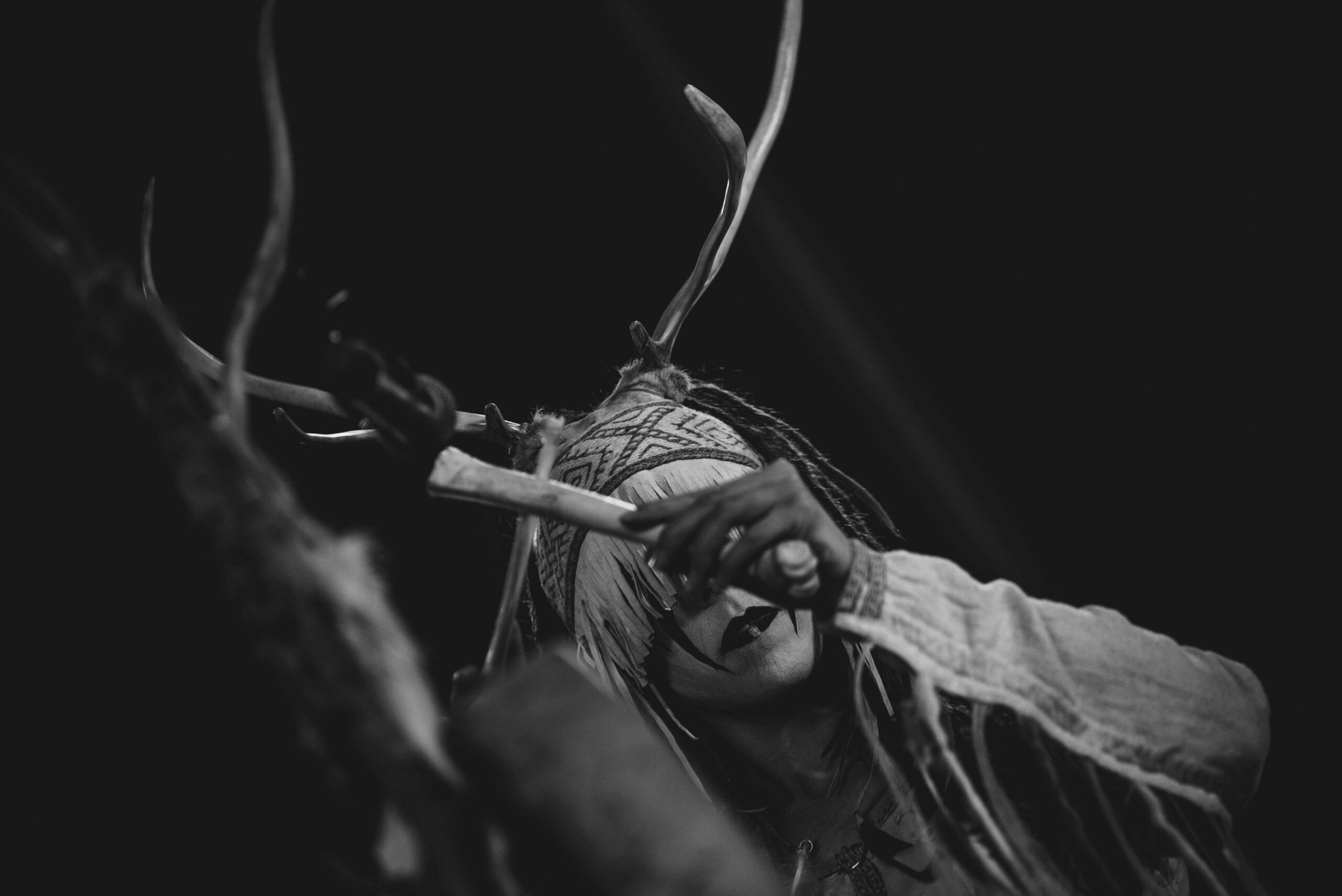
Heilung
Arka'n Asrafokor
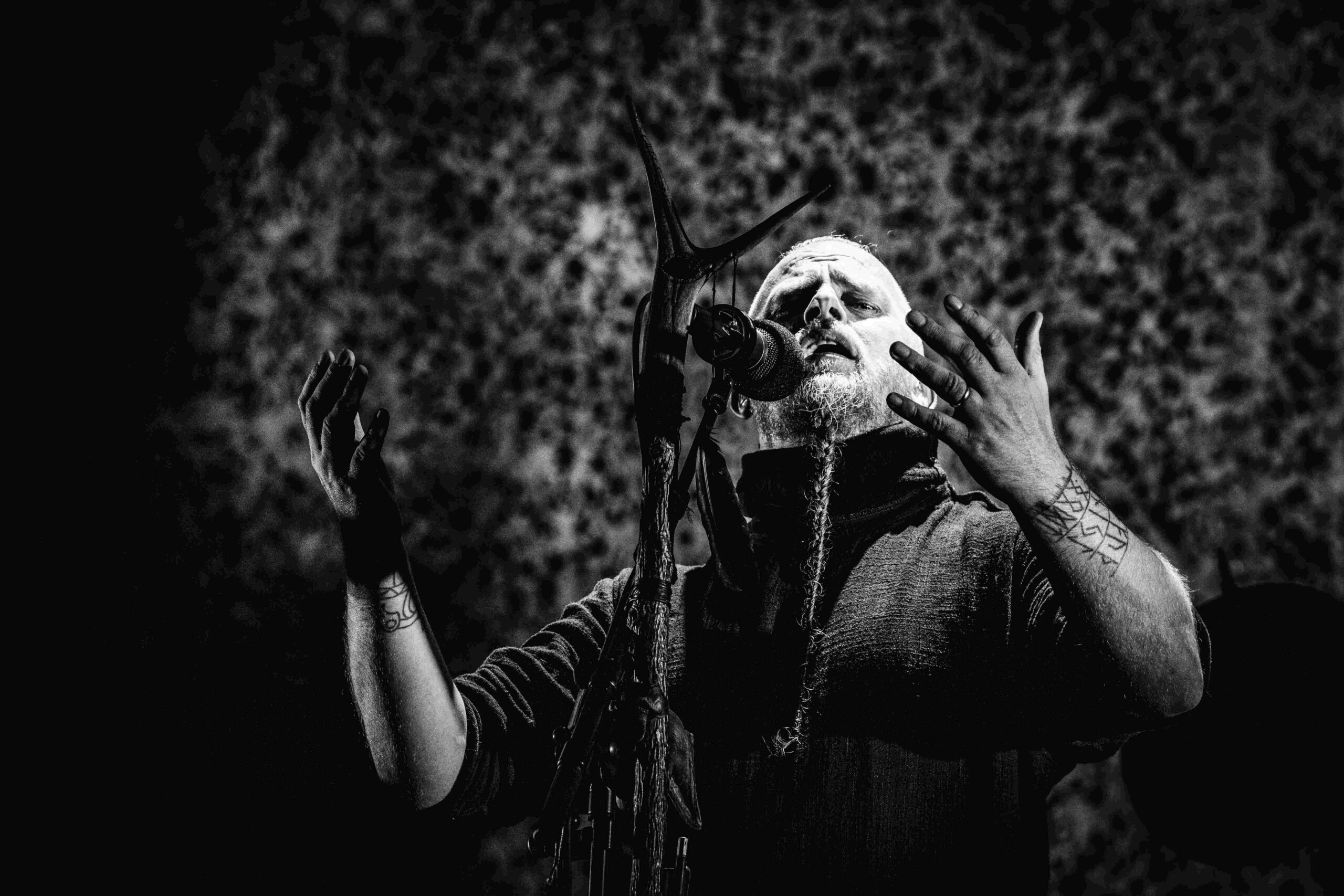
Wardruna
Our Partners